October 16, 2026
Loading...
Published by Aeyan Raza
December 23, 2025
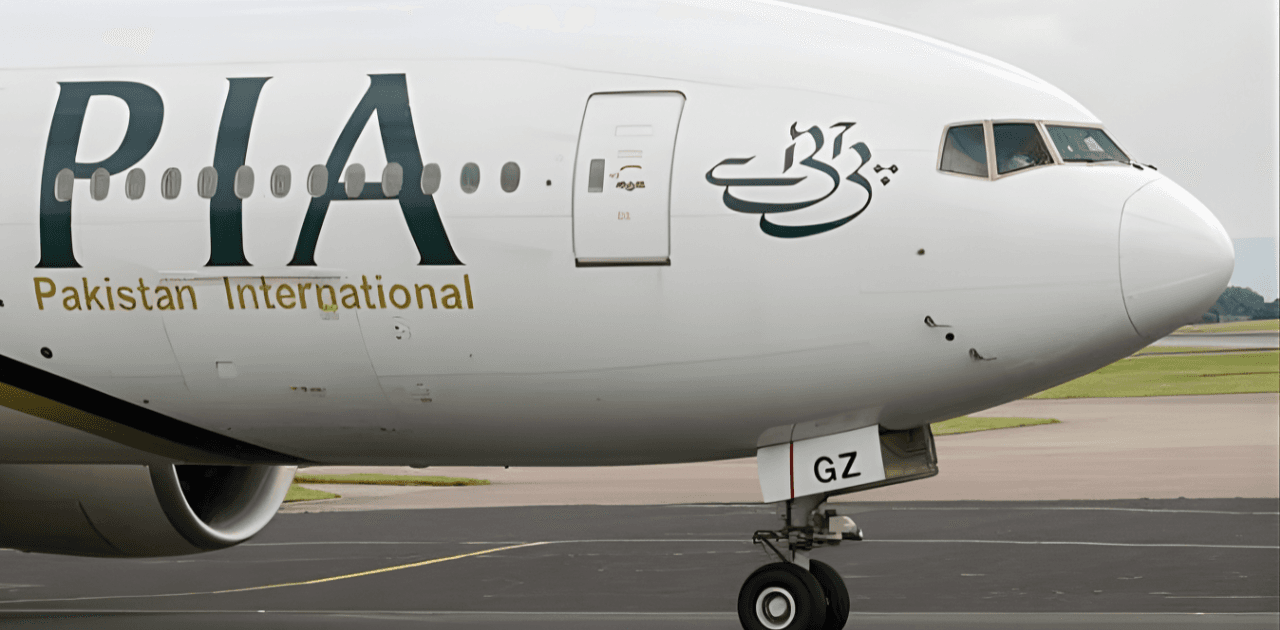
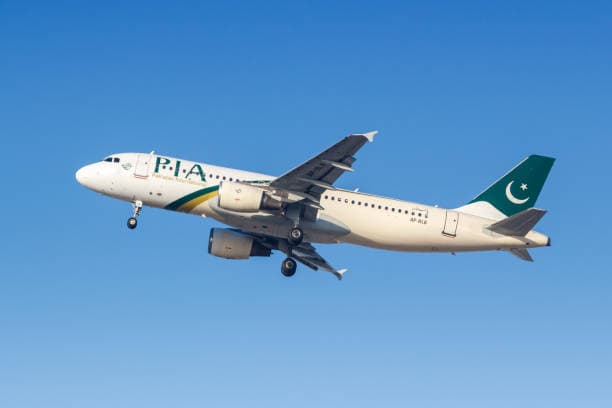
Islamabad: Pakistan’s long-troubled national carrier, Pakistan International Airlines (PIA), has entered a new chapter as the Arif Habib Group confirmed the successful and transparent completion of its privatisation, calling it a turning point for the airline’s future.
The leading business conglomerate has acquired 75 percent shares of PIA for Rs13.5 billion, a move it says will unlock fresh investment, improve passenger services, and help restore confidence in the airline.
In a statement, the Arif Habib Group described the privatisation process as fully transparent, stressing that it would send a strong positive signal to both local and foreign investors.
“Today, Pakistan has won. PIA’s good days are back,” the group said, adding that the deal will open new investment opportunities and create employment across the aviation sector.
The group believes private sector involvement will help modernise operations, enhance service quality, and rebuild PIA’s global image, which has suffered due to years of financial losses and mismanagement.
The sale of a majority stake in PIA is being seen as a major milestone in Pakistan’s economic reform agenda, especially as the country works to reduce the burden of loss-making state-owned enterprises.
Analysts say successful privatisation could strengthen Pakistan’s aviation industry, reduce pressure on public finances, and encourage further private investment in key sectors.
According to available data, Pakistan currently owns 33 PIA aircraft, but only 22 are operational. The airline employs around 6,500 staff to manage its fleet and operations.
Founded in 1955, PIA once ranked among Asia’s top airlines and currently serves up to 97 domestic and international destinations. However, years of losses, operational issues, and reputational damage pushed the airline into decline.
The new ownership hopes to reverse this trend through investment, restructuring, and improved management.
With private management now in place, expectations are high that PIA can regain stability, improve performance, and rebuild public trust. Much will depend on how quickly promised reforms translate into visible improvements for passengers and employees alike.