October 16, 2026
Loading...
Published by Aeyan Raza
January 13, 2026
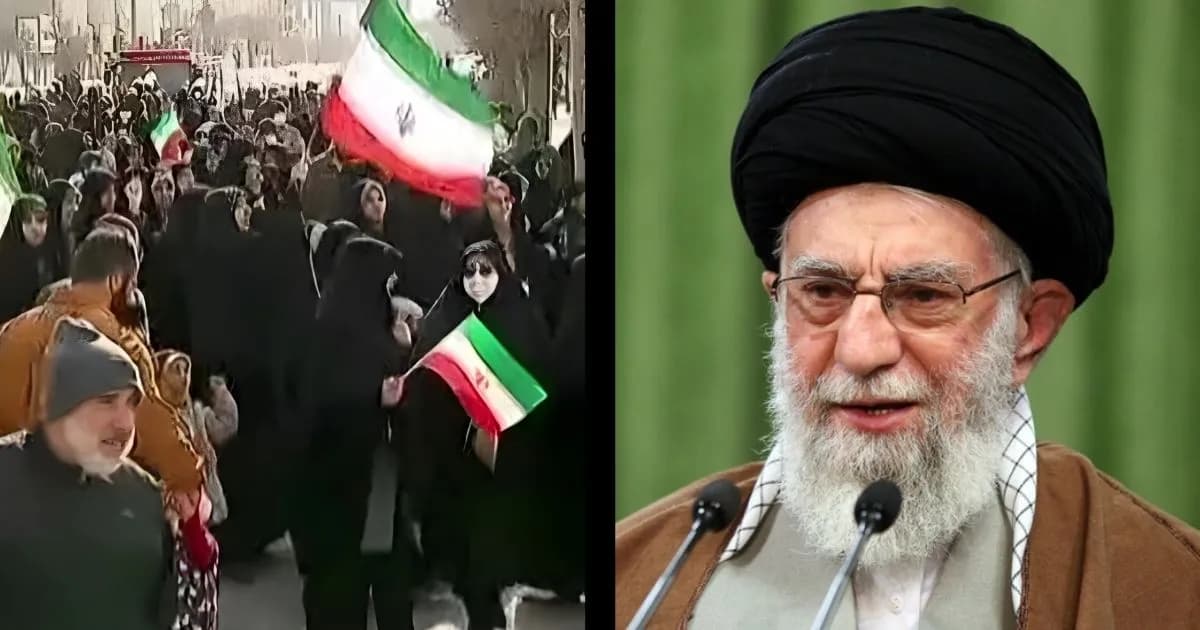
As 2025 draws to a close, Iran has once again become a major global flashpoint. Widespread protests have erupted across the country, driven by soaring inflation, job losses, and a collapsing currency. The Iranian rial has fallen so sharply that many citizens say it is now practically worthless, intensifying public anger and desperation.
This latest wave of unrest is being described as the largest and deadliest nationwide movement since 2022. Streets in major cities have filled with protesters demanding economic relief and political change, while security forces struggle to contain the growing pressure.
The turmoil inside Iran is unfolding alongside renewed pressure from Washington. U.S. President Donald Trump, now in his second term, has revived his “maximum pressure” strategy against Tehran. Analysts say the policy aims to weaken Iran economically and politically, potentially reshaping power dynamics across the Middle East.
According to Tajik political analyst Muhammad Shamsuddinov, the crisis cannot be viewed in isolation. He links the unrest to recent events, including the June 2025 conflict involving Iran, Israel, and U.S. strikes on Iranian nuclear facilities, followed by the return of U.N. sanctions later in the year. These developments, he argues, have sharply worsened Iran’s internal stability.
Adding to the pressure, Trump announced 25% tariffs on countries trading with Iran in January, a move that directly affects Iran’s key partners and raises serious concerns for neighboring Central Asian economies.
Iran’s economic troubles are already rippling northward. Trade between Iran and Kazakhstan surged nearly 45% in the first nine months of 2025, while Tajikistan’s trade with Tehran reached over $430 million, making it Iran’s closest economic partner in Central Asia. Uzbekistan and Turkmenistan also maintain growing or sensitive trade links, including energy-related arrangements that could suffer under tighter sanctions.
Iranian investments in Tajikistan are significant, particularly in energy projects such as the Sangtuda-2 hydropower plant. Hundreds of Iranian-backed companies operate across the region, meaning prolonged instability in Iran could directly impact jobs, infrastructure, and trade.
Inside Iran, authorities have reportedly restricted internet access to prevent protest coordination. Whether this tactic will calm the streets remains unclear. Experts warn that the standoff could drag on for years, leading either to a more militarized state or a slow erosion of the regime through sustained civil resistance.
For Central Asia, Iran’s crisis is more than a foreign news story. It highlights shifting alliances, economic risks, and growing uncertainty in a region already navigating global power struggles.