October 16, 2026

Loading...
Published by Aeyan Raza
January 9, 2026
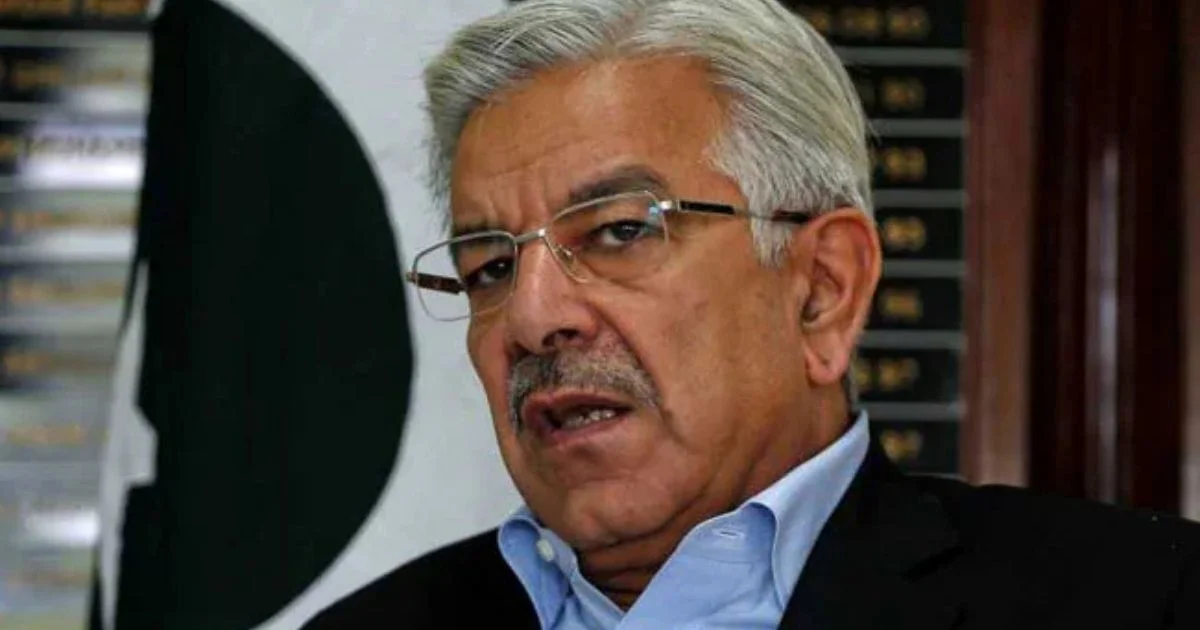
Islamabad: Pakistan’s Defence Minister Khawaja Asif has triggered fresh controversy after making strong and emotionally charged remarks about Israeli Prime Minister Benjamin Netanyahu during a televised interview, accusing him of committing crimes against humanity and calling for his arrest.
Speaking on a local TV channel on Thursday, Asif said that if the United States truly believed in humanitarian values, it should detain Netanyahu over Israel’s military actions in Gaza. He described the Israeli leader as “the worst criminal of humanity,” claiming that the suffering of Palestinians had reached an unprecedented level.
According to Asif, the scale of destruction and civilian casualties in Gaza had no parallel in history. “No community has faced what Palestinians have endured over the last several thousand years,” he said, adding that the ongoing conflict represented a moral failure of the international system.
During the interview, Asif went further, suggesting that countries like Turkey could also take action against Netanyahu. He claimed that many Pakistanis were praying for such an outcome, comparing the idea to recent international actions taken against foreign leaders accused of wrongdoing.
The conversation took an abrupt turn when Asif began questioning legal responsibility for individuals who support Netanyahu. At that point, senior journalist and anchor Hamid Mir interrupted the discussion, warning that the comments could be interpreted as indirect references to former US President Donald Trump. Mir then called for a commercial break and later stated that the defence minister would not continue on the program.
The exchange quickly gained attention on social media, where opinions were sharply divided. Supporters praised Asif for speaking bluntly about Gaza, while critics argued that such remarks could complicate Pakistan’s diplomatic standing.
Pakistan has never recognized Israel and has consistently expressed political and moral support for the Palestinian cause. Islamabad maintains that its regional relationships, including ties with Iran, are rooted in shared interests and historical solidarity.
Meanwhile, the Gaza conflict continues to influence global diplomatic discussions, with multiple countries debating post-war governance and security arrangements for the territory.
In a separate development, Israel’s ambassador to India, Reuven Azar, told Indian media that Israel would oppose any role for the Pakistan Army in a future international force in Gaza. He cited concerns over alleged links between Hamas and Pakistan-based militant groups claims that Pakistan has repeatedly denied.
Azar made it clear that Israel would not support Pakistan’s participation in any stabilization mission for Gaza, underlining growing regional sensitivities around the conflict.
As tensions remain high, Khawaja Asif’s remarks have once again placed Pakistan’s position on the Gaza war firmly in the global spotlight.