October 16, 2026
Loading...
Published by Aeyan Raza
January 4, 2026
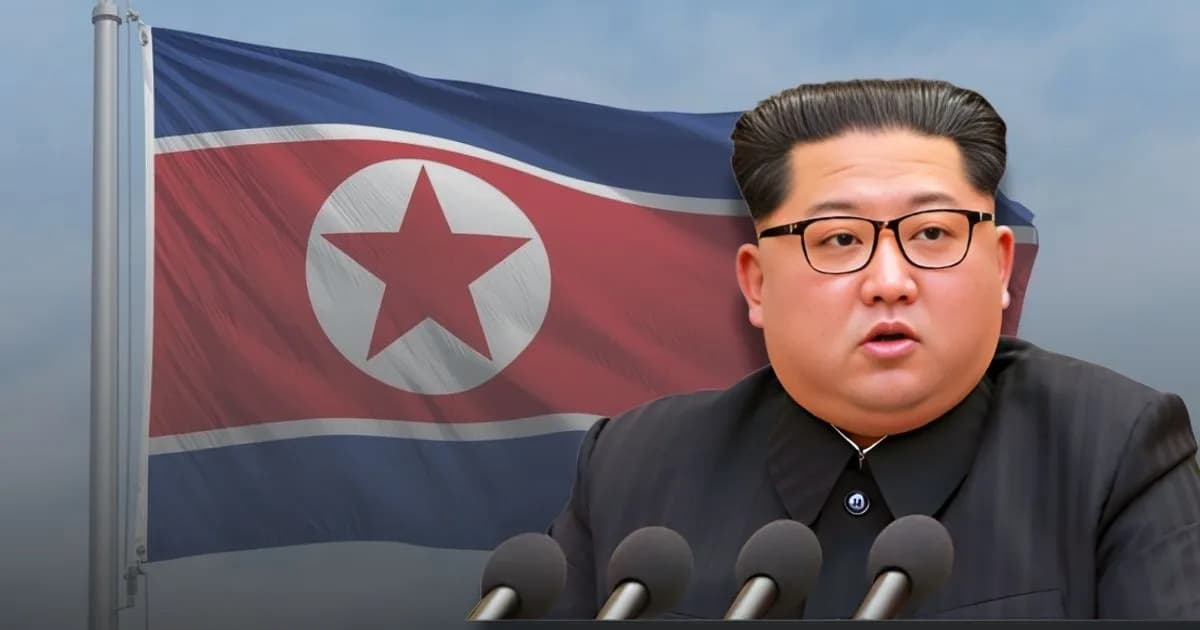
North Korea has sharply criticized recent US military strikes on Venezuela, calling the operation a serious violation of national sovereignty and another example of Washington’s aggressive foreign policy.
In a statement carried by the state-run Korean Central News Agency (KCNA), Pyongyang accused the United States of acting as a “rogue power” after American forces carried out strikes that led to the capture of Venezuelan President Nicolás Maduro.
According to KCNA, a spokesperson for North Korea’s Foreign Ministry said the US action represented “the most serious form of encroachment on sovereignty,” warning that such moves threaten global stability. The statement argued that the situation in Venezuela has caused “catastrophic consequences” for regional and international relations.
North Korea’s comments came on the same day it launched ballistic missiles, a move that added to regional tensions as South Korea’s president began a state visit to China Pyongyang’s closest ally.
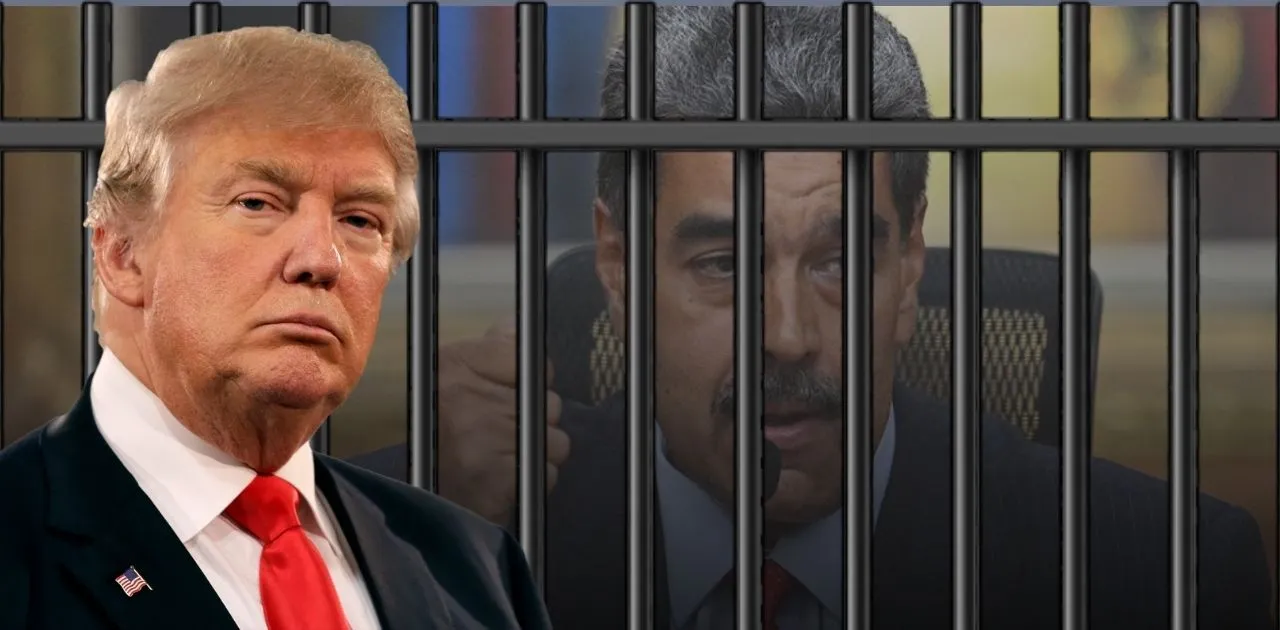
The condemnation follows dramatic developments in Venezuela, where President Maduro and his wife, Cilia Flores, were captured during US military strikes on Saturday. Both were flown from Caracas to New York and are currently being held at the Metropolitan Detention Center in Brooklyn.
US authorities have charged Maduro with multiple offenses, including drug trafficking and weapons-related crimes. Maduro has repeatedly denied leading any drug cartel and has dismissed the accusations as politically motivated.
Venezuela has since declared a state of national emergency, denouncing the US operation as “military aggression.” President Donald Trump said the United States would “run Venezuela” until a “safe and orderly transition” takes place, a statement that has sparked global debate.
Reactions to the US action have been mixed. While some Western allies have welcomed the end of Maduro’s rule, countries like China, Russia, and Malaysia have condemned the strikes, warning they set a dangerous precedent under international law.
Inside Venezuela, residents describe a tense but calm atmosphere. A Caracas resident told international media that people want “freedom and a future without fear,” adding that there were no major protests or celebrations following the operation.
Analysts say the situation marks one of the biggest foreign policy gambles of Trump’s second term, especially after he previously pledged to avoid starting new wars. The future of Venezuela’s leadership, military loyalty, and oil sector remains unclear.
With Maduro now in US custody and an interim government in place, the coming days are expected to shape not only Venezuela’s future but also Washington’s role in Latin America.