October 16, 2026
Loading...
Published by Aeyan Raza
December 31, 2025
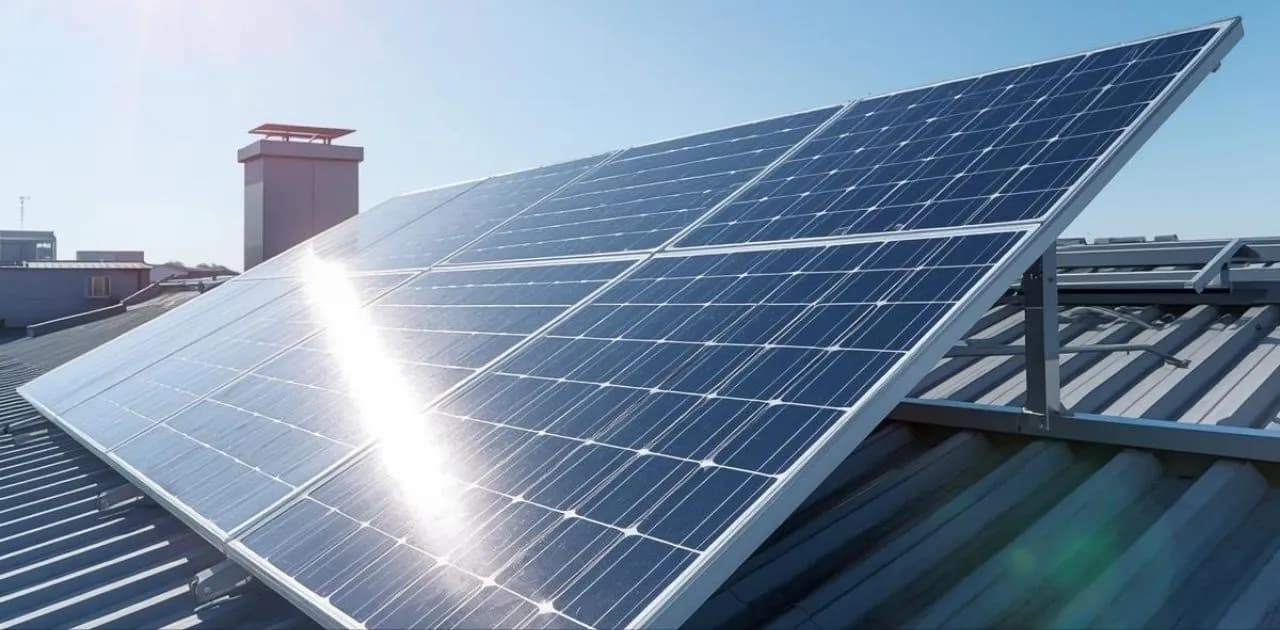
Islamabad: Serious financial irregularities have surfaced in the $100 million World Bank–funded Sindh Solar Energy Project (SSEP), prompting the Sindh government to admit large-scale misappropriation and launch a formal inquiry against those responsible.
The issue came to light during a meeting of the Senate Standing Committee on Economic Affairs on Tuesday, where officials revealed that the Rs27 billion project designed to provide solar energy solutions to low-income households—was hit by major governance lapses and alleged misuse of public funds.
Committee members were told that in several districts, including Larkana, official records showed multiple solar panels allocated to single households, while many deserving families were left out. Even more alarming were claims of huge pricing discrepancies.
According to the briefing, solar panels with a market value of around Rs20,000 were allegedly procured at Rs60,000, triggering strong concern among lawmakers over possible corruption and lack of oversight.
The committee, chaired by Senator Saifullah Abro, was informed that the Sindh Anti-Corruption Establishment has launched a detailed investigation, including a forensic audit of the entire project. A senior Sindh government official confirmed that the inquiry was ordered by the provincial cabinet.
While expressing concern, the Senate panel acknowledged steps taken by the Sindh government against certain non-governmental organisations (NGOs) involved in the project and stressed the need for full transparency and cooperation during the investigation.
The committee directed authorities to submit details of taxes paid to the project contractor within two days and summoned the Sindh Secretary for Planning and Development to appear at the next meeting for further clarification.
Beyond the solar project, the committee also reviewed progress on other multilateral lender–funded power sector projects, including the Dasu Islamabad Transmission Line. Members raised objections over the non-recovery of Rs1.282 billion paid as sales tax for the Islamabad West Grid Station (Lot-IV).
Rejecting claims that the payment was merely a “procedural irregularity,” the chair directed the Economic Affairs Division to formally inform the prime minister and recommended referring the matter to the Public Accounts Committee.
The Sindh Solar Energy Project was meant to ease energy costs for poor households. Allegations of corruption not only undermine public trust but also risk damaging Pakistan’s credibility with international lenders.