October 16, 2026

Loading...
Published by Aeyan Raza
December 5, 2025
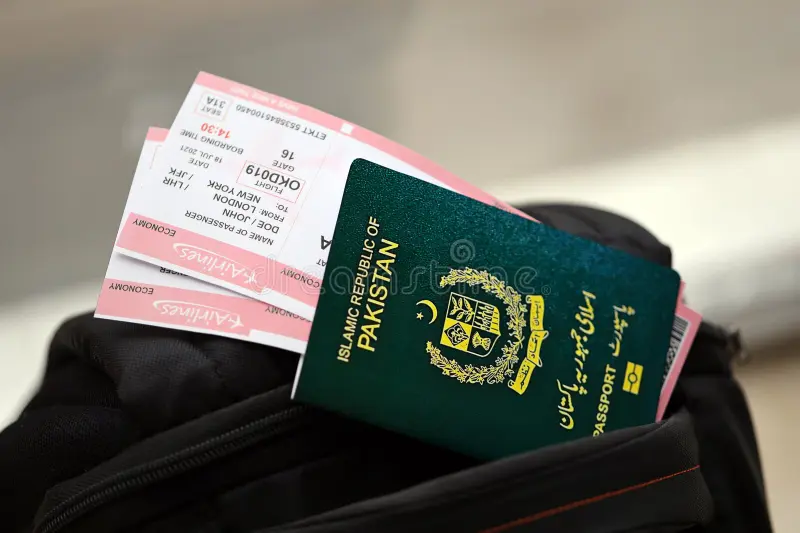
Pakistan is preparing to roll out an AI-powered immigration screening system at Islamabad International Airport from January, marking a major shift in how the country tackles illegal travel and document fraud.
The move comes as authorities face increasing pressure from foreign governments and airlines to curb forged visas, fake paperwork, and agent-linked illegal migration that has harmed Pakistan’s global image.
According to the Interior Ministry, the new system will use artificial intelligence to screen passengers before they reach immigration counters. The technology will analyze travel documents, visas, and passenger data to identify red flags early in the process.
Officials say this will help stop travelers using forged or incomplete documents from boarding flights, rather than off-loading them at the last moment a practice that often leads to embarrassment, deportations, and financial losses for passengers.
Several Gulf countries have recently asked Pakistan to strengthen its verification process for migrant workers, citing repeated cases of fake visas and unregistered agents.
Interior Minister Mohsin Naqvi announced the initiative after a high-level meeting with Minister for Overseas Pakistanis Chaudhry Salik Hussain. During the meeting, the government approved a series of reforms aimed at cleaning up Pakistan’s emigration system.
Key decisions include tightening labor visa checks, strengthening the protector-stamp process, and taking strict action against individuals involved in illegal travel.
One of the strongest measures approved is the cancellation of passports for people deported due to illegal migration, preventing them from reapplying for visas in the future.
Authorities have also adopted a zero-tolerance policy against fraudulent visa brokers and unlicensed agents who exploit job seekers with false promises.
The Ministry of Overseas Pakistanis has pledged full cooperation to streamline emigration procedures and ensure only genuine travelers are cleared for overseas employment.
Naqvi said Pakistan is actively engaging with foreign governments to rebuild trust in its passport and migration system.
In addition to immigration changes, the government plans to introduce a uniform international driving license through the National Police Bureau, aiming to simplify verification for Pakistanis traveling abroad.
Officials believe shifting from manual checks to digital, AI-based screening will close long-standing loopholes used by human traffickers and fake agents.
Pakistan’s immigration system has struggled for years with document fraud and agent-driven illegal travel, resulting in deportations and strained diplomatic ties.
By introducing AI-driven screening at the country’s main international airport, authorities hope to protect genuine workers, reduce deportations, and restore Pakistan’s credibility in global labor markets.