October 16, 2026

Loading...
Published by Aeyan Raza
December 18, 2025
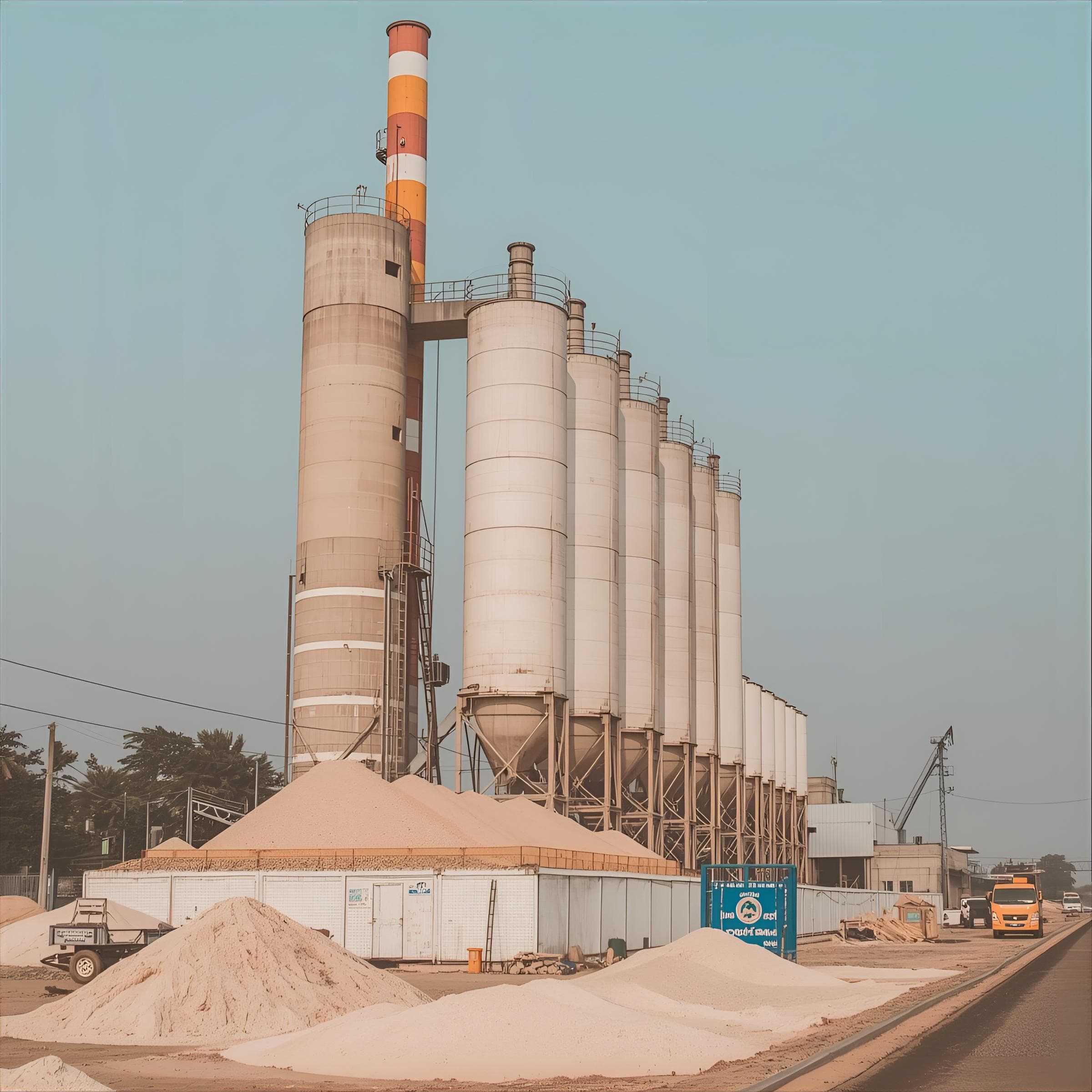
Islamabad: Pakistan has taken a significant step toward fulfilling a key condition of its International Monetary Fund (IMF) programme by moving to deregulate the sugar sector, with reforms expected to be completed by June 2026. The development was shared during a parliamentary briefing, where officials outlined the government’s plan to ease long-standing controls on the industry.
A senior official from the Ministry of National Food Security and Research (MNFS&R) told lawmakers that a draft deregulation policy has been finalized. The plan was prepared by a high-level committee set up by the prime minister and forms part of broader economic reforms agreed with the IMF.
Under the proposed reforms, laws governing sugarcane production will be amended, and the long-standing ban on establishing new sugar mills will be lifted. However, officials stressed that the Sugar Advisory Board (SAB) will continue to function to safeguard the interests of sugarcane farmers.
An SAB meeting is expected soon to address issues related to the ongoing crushing season, particularly concerns raised by growers.
During a meeting of the National Assembly Standing Committee on Food Security, chaired by MNA Syed Hussain Tariq, lawmakers expressed serious concerns over falling sugarcane prices. The committee was informed that the current price stands at around Rs400 per maund, down from a peak of Rs471 earlier in the season.
So far, about 11 million tons of sugarcane have been crushed, yielding nearly 900,000 tons of sugar. However, members warned that the pace of crushing is well below last year’s level.
Tariq cautioned that delays could severely harm farmers, noting that sugarcane begins to lose weight after December. He questioned who would compensate growers for these losses.
While lawmakers acknowledged the importance of meeting IMF conditions, they agreed that farmer protection must remain a priority. Concerns were also raised about the absence of a minimum support price for sugarcane over the past two years, a result of IMF-backed policies limiting market intervention.
Some members accused sugar mills of exploiting farmers and called for stricter oversight, while others suggested allowing growers to produce raw sugar themselves to reduce dependence on mills.
The committee urged the government to formally announce the crushing season and take steps to prevent market manipulation.