October 16, 2026

Loading...
Published by Aeyan Raza
January 7, 2026
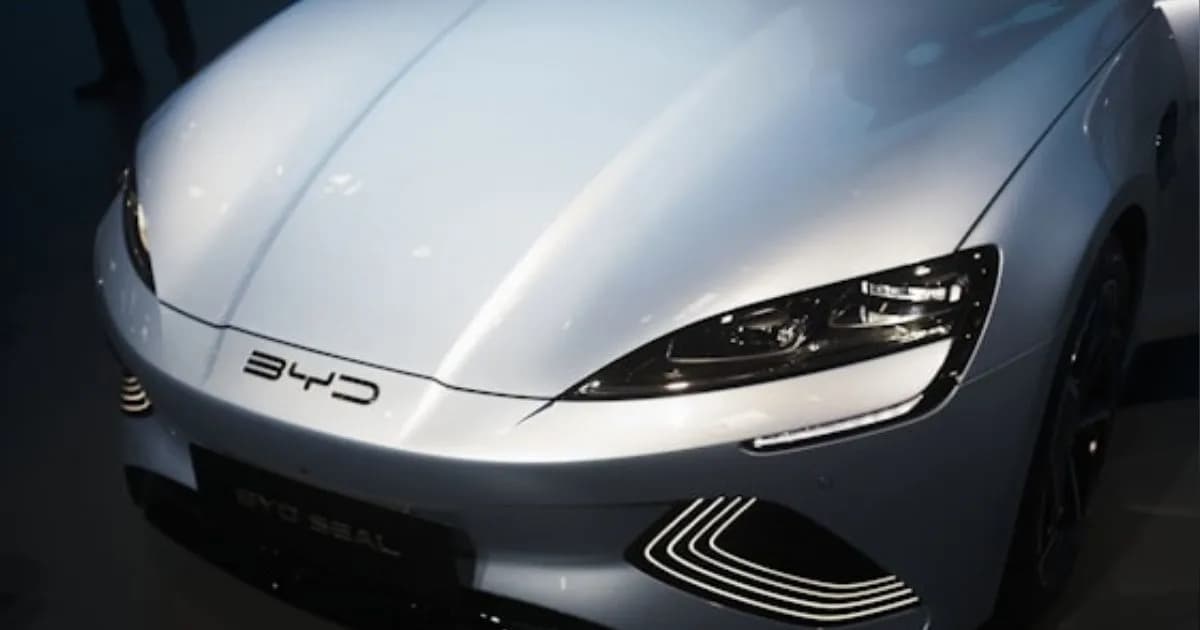
Chinese electric vehicle giant BYD has announced it will launch upgraded versions of four popular plug-in hybrid models later this month, offering significantly longer driving ranges as competition and regulatory pressure intensify in China’s auto market.
In a statement released on Wednesday, the company said the updated versions of the Qin PLUS DM-i, Qin L DM-i, Seal 05 DM-i, and Seal 06 DM-i will feature larger batteries, allowing for a combined driving range of up to 2,110 kilometers (around 1,300 miles). Of that distance, more than 210 kilometers can be driven using battery power alone.
The announcement highlights BYD’s strategy to strengthen its position in China’s fast-changing hybrid and electric vehicle sector, where buyers are increasingly focused on range, efficiency, and tax incentives.
China recently introduced stricter technical requirements for plug-in hybrid vehicles to qualify for purchase tax incentives. Starting this year, PHEVs must offer a minimum electric-only range of 100 kilometers, more than double the previous requirement of 43 kilometers.
BYD’s new models appear carefully designed to meet and exceed those updated standards, ensuring buyers remain eligible for government benefits.
While BYD confirmed the launch timeline and performance upgrades, it did not disclose pricing for the updated models. Currently, the four plug-in hybrid vehicles are priced from 79,800 yuan (around $11,400), making them among the most affordable hybrid options in the Chinese market.
Existing versions of these models offer electric-only ranges between 55 km and 128 km, meaning the new battery upgrades represent a major leap in performance.
Industry analysts expect pricing to remain competitive, as affordability has been a key factor behind BYD’s rapid growth
Despite BYD’s strong overall sales performance, its plug-in hybrid vehicle sales fell 7.9% last year, even as these vehicles accounted for more than half of the company’s total sales. The slowdown reflects growing competition and shifting consumer preferences toward fully electric vehicles.
By extending battery range and improving efficiency, BYD aims to reignite demand and reassure buyers that plug-in hybrids remain a practical alternative to fully electric cars.
BYD’s move underscores how China’s evolving regulations are shaping vehicle design and innovation. As government standards rise, automakers are being pushed to deliver longer range, better efficiency, and improved technology all while keeping prices within reach for everyday consumers.
With these new models, BYD is signaling that plug-in hybrids still have a strong future in China’s electric mobility transition.