October 16, 2026
Loading...
Published by Aeyan Raza
January 14, 2026
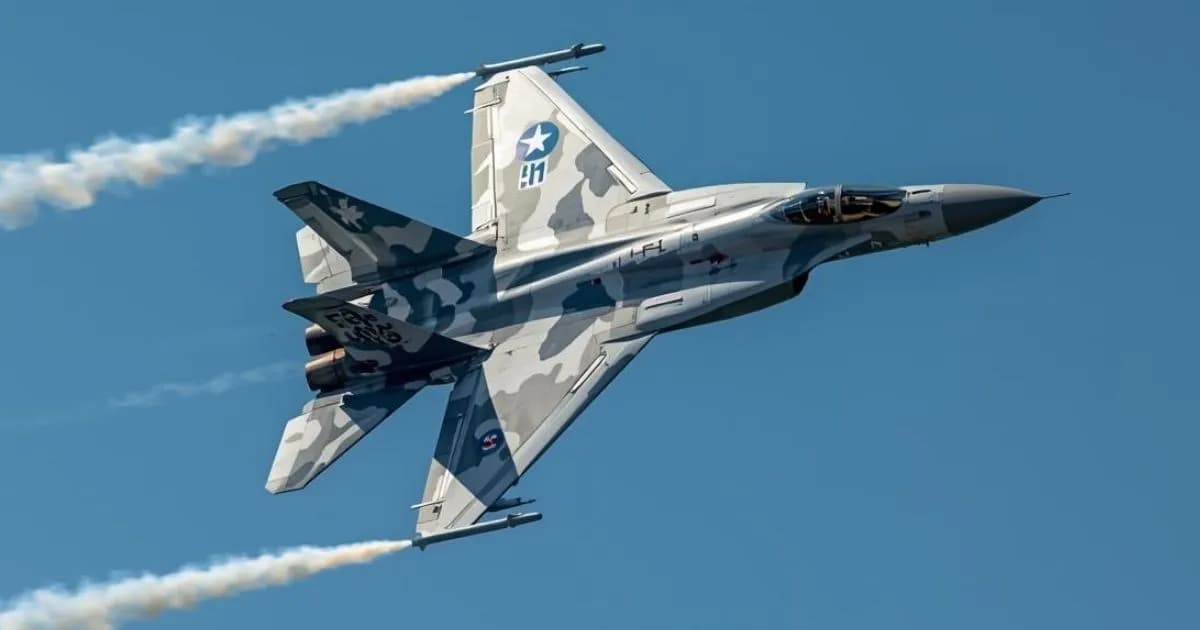
Pakistan has stepped up its defence export drive, holding negotiations with several countries interested in buying the JF-17 Thunder fighter jet. The confirmation came from Defence Production Minister Raza Hayat Harraj, signaling Islamabad’s growing ambition to expand its footprint in the global arms market.
The JF-17 Thunder is a lightweight, multi-role combat aircraft jointly developed by Pakistan and China and manufactured locally at the Pakistan Aeronautical Complex. Over the years, it has become the backbone of the Pakistan Air Force and a key symbol of the country’s defence self-reliance.
Speaking to BBC Urdu, Minister Harraj said discussions are underway with “multiple” countries but remained tight-lipped about their identities or the progress of individual negotiations. He stressed that defence deals are sensitive by nature and usually remain confidential until agreements are finalized.
“These talks take time,” Harraj said, adding that strong international interest has emerged in recent months. He clarified that Pakistan would only sell the aircraft to friendly nations and that China, as a co-developer, would remain closely involved in any financial or security-related arrangements.
One factor driving foreign interest, according to the minister, is the aircraft’s recent operational performance. He said the JF-17 proved its capabilities during last year’s four-day conflict with India, drawing the attention of several foreign air forces looking for reliable yet affordable combat jets.
Pricing remains one of the JF-17’s biggest strengths. Harraj noted that comparable fighter aircraft on the global market can cost between $250 million and $350 million, while the JF-17 is priced between $40 million and $50 million, depending on configuration. Advanced variants with upgraded avionics and weapons systems may cost more, but still remain significantly cheaper than Western alternatives.
While parts of the aircraft are manufactured in Pakistan, other key components are produced in China. Defence analysts point out that some critical technologies remain under Beijing’s control, making China a senior partner in any export deal. Harraj declined to share details about production capacity, citing national security concerns.
Media reports suggest countries such as Bangladesh, Iraq, Indonesia, and Saudi Arabia have shown interest in the JF-17. Reuters has also reported talks with Riyadh over a potential deal that could convert around $2 billion in Saudi loans into a fighter jet purchase. Pakistan has recently strengthened defence ties with Saudi Arabia, Turkiye, China, and Azerbaijan, further boosting prospects for future deals.
As negotiations continue, the JF-17 is emerging as a serious contender in the global market for affordable combat aircraft one that could reshape Pakistan’s defence export landscape.