October 16, 2026

Loading...
Published by Aeyan Raza
December 12, 2025
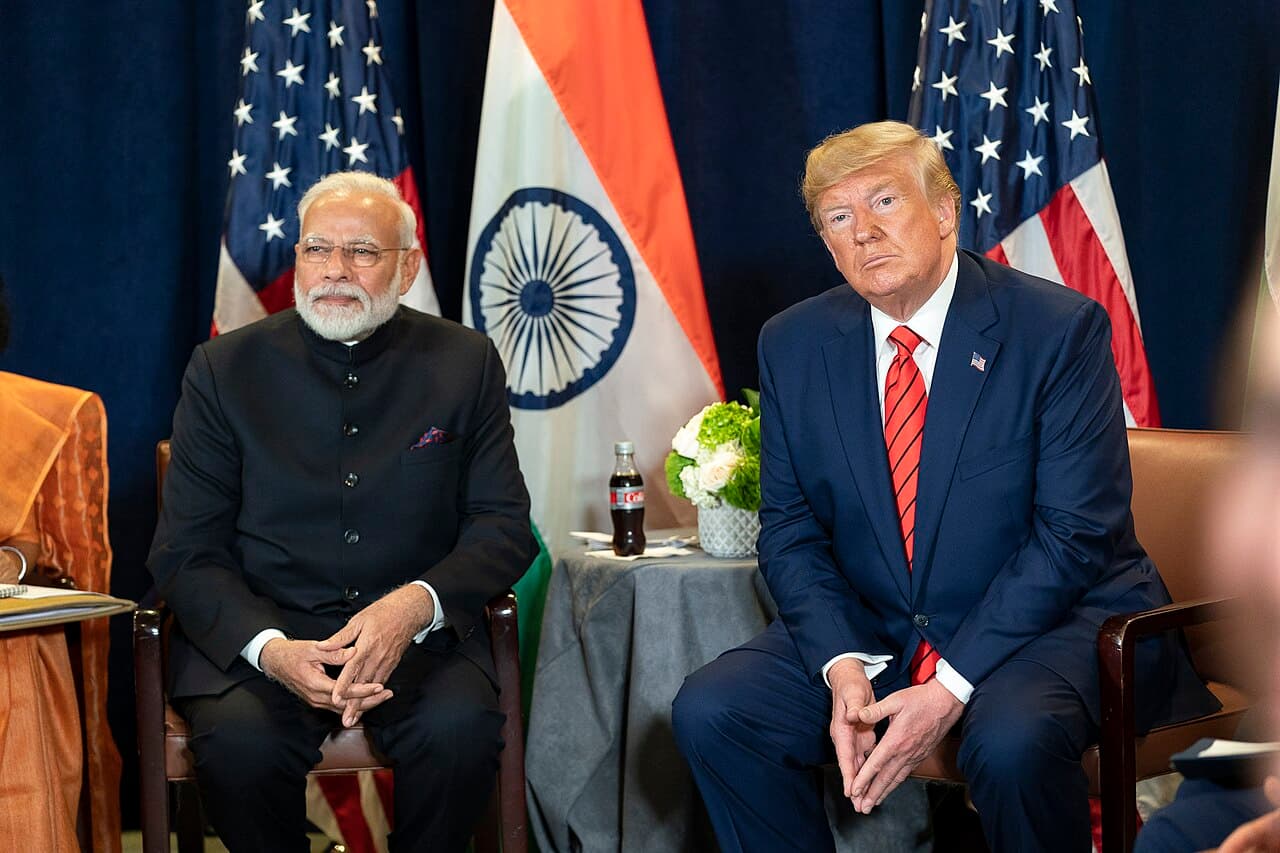
Indian Prime Minister Narendra Modi held a phone conversation with US President Donald Trump on Thursday, as New Delhi intensifies efforts to secure relief from steep American tariffs that have hit key Indian exports.
The call comes at a critical moment for India’s trade sector. The United States recently doubled import duties to as high as 50% on a wide range of Indian goods, including textiles, chemicals, and shrimp. Washington linked the move to India’s continued purchase of Russian oil, a point of growing friction between the two countries.
In a post shared on X, Modi said the leaders reviewed progress in bilateral relations and exchanged views on important regional and global issues. The White House confirmed the conversation but did not release further details.
This marks the third direct conversation between Modi and Trump since the tariff increase, underlining the seriousness of the dispute.
Trade negotiations between the two nations stalled earlier this year after India rejected US demands to open its markets wider to American agricultural products. New Delhi has long argued that such a move could hurt local farmers and disrupt domestic markets.
Despite the breakdown, talks have continued quietly behind the scenes. Recent developments suggest some movement. Indian oil refiners have reduced imports of Russian crude following new US sanctions on major energy firms Rosneft and Lukoil, signaling possible flexibility from New Delhi.
This week, US Deputy Trade Representative Rick Switzer visited New Delhi for fresh discussions with Indian officials. While Washington has not confirmed whether a breakthrough is close, the visit points to renewed diplomatic engagement.
The urgency for a deal has grown as India’s exports to the US fell nearly 9% in October, according to recent trade data. The decline has raised concerns among exporters, particularly in sectors already struggling with higher costs and slowing global demand.
Former US Commerce Department official Ryan Majerus said a trade agreement remains likely, citing India’s rising economic influence and strategic importance. “Both sides have strong incentives to find common ground,” he noted.
For India, tariff relief is now a top economic priority. For the US, balancing trade concerns with geopolitical interests remains a delicate task. While no immediate deal has been announced, continued high-level engagement suggests that both sides are keen to avoid a prolonged trade standoff.
As negotiations continue, businesses and markets will be watching closely for signs of compromise in one of the world’s most important economic partnerships.